
A well-managed statement of retained earnings reflects resilience and ambition. For C-suite leaders, it’s a strategic tool that keeps you aligned with the company’s trajectory—ready to make decisions that drive immediate impact and long-term success. Begin the statement by stating the opening unearned revenue balance and retained earnings amount carried over from the previous fiscal year’s end. Opening with the correct balance is vital as it sets the groundwork for the subsequent calculations. This financial flexibility adds resilience to the business, helping it navigate harsh market conditions.
- It’s the springboard for the period’s financial narrative and reflects the previous period’s endgame.
- But bear in mind, this isn’t a compulsory tradition; some companies choose to reinvest profits back into the business instead.
- When losses surpass profits, a debit balance, also known as an “accumulated deficit,” occurs.
- The retention ratio (also known as the plowback ratio) is the percentage of net profits that the business owners keep in the business as retained earnings.
- Basically, it’s management’s way of saying “buzz off, shareholders, we have plans for that money”.
- The Income Statement shows the company’s profit and loss over a specific period, and retained earnings can be calculated from this information.
Deduct dividend payments
You must use the retained earnings formula to set up your statement of earnings. The formula helps you determine your retained earnings balance at the end of each business financial reporting period. The statement of retained earnings is a financial document that summarizes how the company’s retained earnings—aka the revenue they’ve kept after paying for expenses—changed during a given period. Revenue is the total income earned from sales before expenses, while retained earnings are the profits kept by the company after paying out dividends over time. Wealth accrual in a business is a multidimensional tale entwined with assets, liabilities, revenues, and expenses, in which retained earnings play a pivotal yet partial role.
How to Test Completeness of Accounts Payable
- This means the Company issued the shares at a higher value than the par value of $2.50.
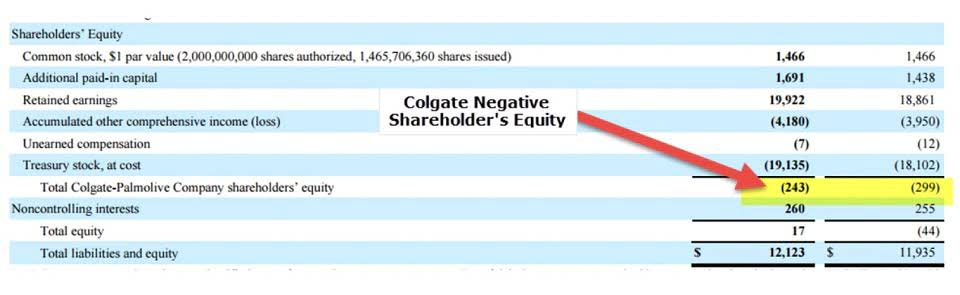
- Retained earnings are reported in the shareholders’ equity section of a balance sheet.
- They are generally available for distribution as dividends or reinvestment in the business.
- When financial statements are developed strictly for internal use, this statement is usually not included, on the grounds that it is not needed from an operational perspective.
- Equity is a measure of your business’s worth, after adding up assets and taking away liabilities.
- Retained earnings also play a role in demonstrating management’s commitment to growth.
The difference would be our share premium for our current reporting period. Before we can prepare the statement of changes in equity, we need to calculate the balances for the items that were not given in the question. As you can see, the beginning retained earnings account is zero because Paul just started the company this year. Likewise, there were no prior period adjustments since the company is brand new. The last line on the statement sums the total of these adjustments and lists the ending retained earnings balance. Companies typically calculate the change in retained earnings over one year, but you could also calculate a statement of retained earnings for a month or a quarter if you want.
What type of account is retained earnings?
It grows over time when the company makes a profit and doesn’t pay all of it out as dividends, but it can shrink if the company has a loss or pays out more in dividends than it earned. This calculation demonstrates how retained earnings are adjusted over each financial period, reflecting the business’s ongoing financial activity. Contrary to common misconceptions, retained earnings are not a pool of cash but an expression of how much of the company’s earnings have been reinvested in the business or kept as a reserve.
- The first step in creating a retained earnings statement is clearly labeling the document.
- The Inflation Reduction Act of 2022 has several provisions that can help small business owners.
- Understanding how the statement ties together with the company’s overall financial narrative gives stakeholders a clearer view of the company’s strategy and stability.
- This reflects the accounting principle that increases in equity, such as profits kept within the company, and credits, while decreases in equity, such as losses or dividends, are debits.
- In other words, assume a company makes money (has net income) for the year and only distributes half of the profits to its shareholders as a distribution.
- Whether reinvested internally or distributed through dividends, they reflect a leadership team’s ability to balance profitability with shareholder value.
Example 1: Prioritizing Reinvestment for Growth
Retained earnings reflect the cumulative amount of net income a company has retained over time, after distributing dividends. It’s a measure of the company’s total profit that’s been reinvested back into the business, rather than paid out to shareholders. This step is a testament to the financial decisions made over the period. You’ve gathered your beginning balance, tallied up the profits or weathered the losses, and retained earnings statement decided regarding dividends.

What Is Statement of Retained Earnings?
This is your opening balance and serves as the foundation for the current period’s statement. For example, if your retained earnings at the close of last year were $500,000, that’s your starting point. The shares repurchased were not given in the example so we will still include it in the statement of retained earnings as an item but with an empty balance. The par value of ordinary shares is the face value of the shares as decided by the company in its articles of incorporation (corporate charter).

Between 1995 and 2012, Apple didn’t pay any dividends to its investors, and its retention ratio was 100%. But it still keeps a good portion of its earnings to reinvest back into product development. A Accounting for Marketing Agencies statement of retained earnings shows the changes in a business’ equity accounts over time.